
The Meaning of the Name Felix Austria
Felix AustriaThis flow traces the imperial motto from public celebration to the naming of Felix and the final challenge to permanence.
increasing Bearing strength in each event
 decreasing
Bearing strength in each eventdecreasingThe Motto in the City
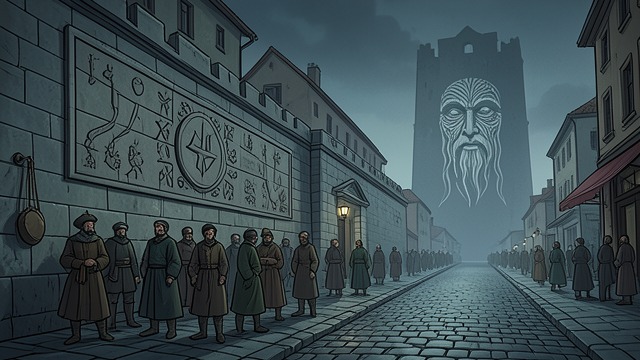
Prosperity as an Ideal
A public slogan
The city displays imperial emblems and the phrase Felix Austria during celebrations. The motto evokes a state that promises continuity through marriage, order, and shared allegiance.
A remembered world
For Stefania, the phrase belongs to a multicultural society that appears stable yet carries signs of coming dissolution. The ideal is both genuine comfort and a fragile political story.
A Name from a Banner

Felix Is Named
A quick decision
When asked what they have called the child, Petro notices the imperial motto and names him Felix. The answer gives the boy a place in the household before his history is known.
Private and public meanings
The name sounds like a blessing and an imperial slogan at once. It connects a vulnerable child to the grand language of belonging, even as his origins remain uncertain.
A Multicultural Public World
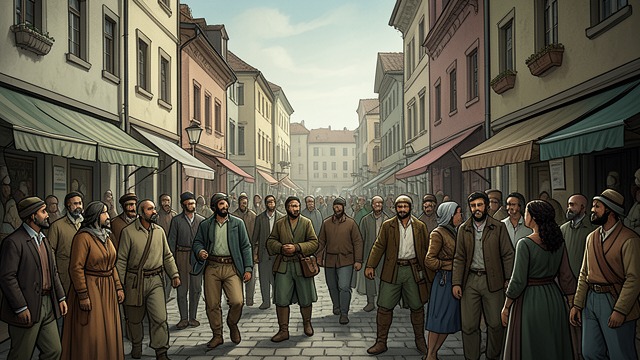
Many Peoples, One Ceremony
A diverse crowd
The procession moves through neighborhoods and commercial streets marked by different communities and languages. The public celebration gathers people without erasing their distinct lives.
Unity’s limits
The city’s shared spectacle coexists with poverty, class divisions, and ethnic suspicion. The motto’s promise of unity is therefore never complete.
The Rumor of Disintegration
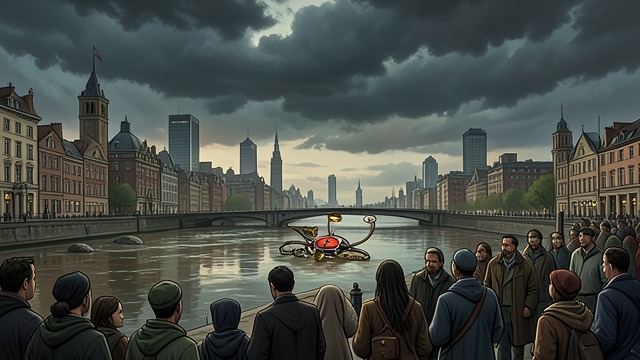
Stability Is Questioned
Popular fears
People claim that the boundaries between worlds are breaking and that the empire may soon collapse. Stefania calls the stories foolish and trusts the emperor’s apparent strength.
Anxiety beneath loyalty
The rumors echo the city’s floods, thefts, and social unrest. They make visible the fear that the public symbols of continuity may not withstand historical change.
Permanence in the Flames
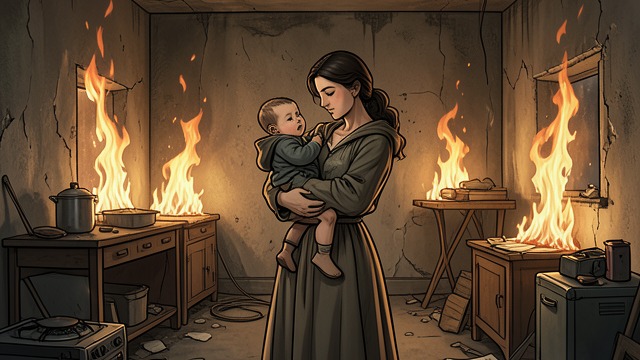
The Empire as Personal Faith
An impossible comparison
Stefania declares her love eternal like the Austro-Hungarian Empire as the house burns around her. The political ideal has become a private metaphor for permanence.
The image breaks
Fire and collapse undermine the assurance even as she speaks it. The novel ends with fidelity and fragility joined together rather than with a simple rejection of the ideal.
Around 1900, before the Emperor’s birthday
August 1900, during the Emperor’s birthday procession
Across the city’s 1900 festivities
After Felix appears, summer 1900
Near the ending
